
Published on: 20 February 2026
Prior to Mental Health Nurses Day on 21 February 2026, Derbyshire Healthcare NHS Foundation Trust is honouring its committed team of mental health nurses by highlighting their contributions through providing insight into their professions. 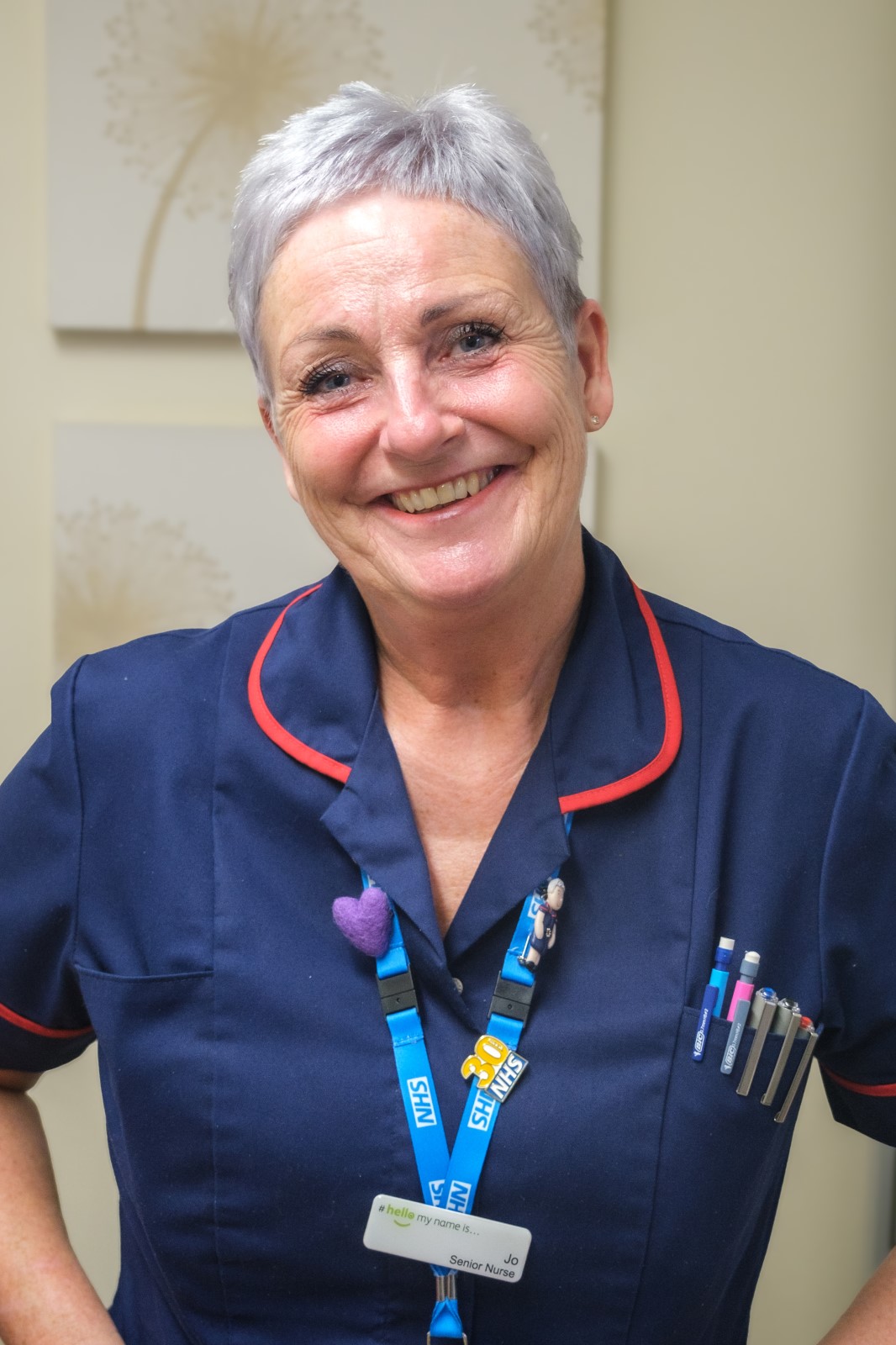
Jo Foster, a mental health nurse at the Trust, shares her experience as a nurse of 40 years.
How long have you been a nurse?
I began my nurse training in 1985 at a hospital-affiliated nursing school, not a university. I am proud to have reached 40 years as an NHS nurse, a milestone few achieve.
What inspired you to become a nurse?
As a child, I wanted to be a district nurse, but later considered teaching after struggling with my A levels. While retaking them, a visit to a mental health ward sparked my renewed interest in nursing, leading me to explore different nursing paths.
Did you ever consider a different career? If so, why nursing?
I was definitely going to be a teacher but having messed my exams up once – I lost interest a bit when I thought about nursing in the mental health field.
How did you get into this career?
A friend, already studying general nursing in Nottingham, invited me to stay before my interview. We enjoyed an Italian meal – unusual in the 80s – and watched "Seven Brides for Seven Brothers" at the Royal Theatre. The experience convinced me this was the life I wanted. At the interview, I immediately knew this was the right path, and I was accepted for the September 1985 intake without needing A levels, as I already met the requirements.
Can you tell us a bit about the training you undertook for your role?
I started my training as part of the last 1974 syllabus, attending QMC for 12 weeks before moving to ward placements for 16 weeks, where we worked regular shifts and learned on the job. Each placement required passing written and practical assessments, and between placements, we'd return to school for a week. My rotations included rehabilitation, elderly care, acute medicine, occupational therapy, recreation, community work, and a specialist area. In our final year, we took mock hospital exams to prepare for finals. I failed the hospital multiple choice exam and worried about the official results. When results came, everyone received an A5 envelope – uncertain what it meant, we soon learned we all passed. I immediately called my parents to share the good news, and my mum was overjoyed.
What's been the highlight of your career so far?
There have been so many highlights – a lot came back to me as we vacated Hartington Unit, before moving to the new facility called the Derwent Unit; the quieter the unit got as we moved out, the louder the memories became. 40 years of achievements it is hard to put it down to one, but I think achieving this milestone has been one of my proudest moments.
Why is it important to have a job you enjoy?
It is so important to be happy at work as we’re there for a long time the results we can achieve are only enhanced through doing something you love.
What do you like most about being a nurse?
There are many aspects of nursing that I enjoy. Wearing the uniform gives me a real sense of purpose, and I find patient care deeply rewarding. Building meaningful relationships with patients and witnessing their recovery never gets old, especially when family members express gratitude for having their loved ones. I also appreciate leading a team; working alongside wonderful colleagues has made even the toughest moments some of the happiest and funniest, as we've come together to overcome challenging situations.
What's the most challenging part of being a nurse?
Work is rarely dull and often challenging. Trying new ways of working lets you see the difference you can make.
What are the main skills needed to do your role?
Grace, humility, strength and patience are just some of the skills you need as a nurse, as well as drive. One of the best things is being able to reflect honestly.
Do you have any advice for the next generation of nurses?
I encourage all future nurses to trust in their abilities but never pretend to know something you don’t – always feel free to ask questions. Also, don't rush to climb the ladder. Building strong foundations and mastering your current role are essential before considering advancement.
