
Published on: 19 March 2026
As part of Neurodiversity Celebration Week (17 – 23 March 2026), an annual awareness week that celebrates and challenges stereotypes and misconceptions about neurological differences, Derbyshire Healthcare NHS Foundation Trust has spoken with a Trust administrator about her experience of being neurodivergent. 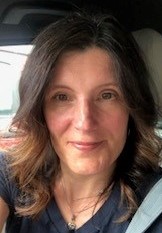
Neurological differences affect 15-20% of people in the UK. By highlighting the strengths and positive perspectives of neurodivergent people, this helps to celebrate their unique talents and ways of thinking.
Esther Rook, Medical Education Administrator at Derbyshire Healthcare, shares her experience of having Attention Deficit Hyperactivity Disorder (ADHD) and the impact this has had on her life.
Esther said: “I was diagnosed with ADHD in my late 40s – a few years ago. I recognised and understood ADHD and Autism Spectrum Disorder (ASD) when my eldest daughter was diagnosed at age 11, she is now 20. After my diagnosis, I was relieved to finally understand myself but also saddened by years of being misunderstood and hiding my struggles. Having a concrete answer improved my life, allowing me to explain things clearly to others.
“Growing up I didn’t really understand about ADHD and coped well in school as I learnt to ‘behave’ and avoid getting in trouble. I think a lot of children do this (especiallyS girls) where you are socialised and expected to fit in and do as your told. A lot of my school reports looking back said lots about being easily distracted or talking too much though.
“I often felt misunderstood, which affected my self-esteem and led to mistakes. Light teasing about being scatty made it harder to stay positive. I struggled with punctuality and compensated with working late, which affected both my work and relationships.”
People with Attention Deficit Hyperactivity Disorder (ADHD) experience core difficulties. These may include:
- Difficulty sustaining attention during tasks or conversations
- Challenges with organisation, planning and time management
- A tendency to act impulsively
- Feeling internally restless or finding it hard to stay still
- Forgetting information, appointments or important details
- Struggling to start or finish tasks
- Difficulty managing or regulating emotions
Esther said: “Every person with ADHD is different. The biggest challenges I’ve encountered involve managing my self-esteem and important relationships, both of which are impacted by frequent lateness and difficulties with executive function – the part of the brain responsible for planning. Dates and times are a nightmare. The feeling of constantly letting people down despite trying hard not to is difficult.
Those with ADHD have strong unique strengths and perspectives that come from thinking differently.
“I am creative and love thinking outside the box to come up with new ideas. I can also hyper focus on a task, where others may struggle to do so and give up. For example, I can be in a meeting and working on other tasks – and still be able to take in information. Often people say I am funny in the way I hold a conversation. I say things others are too scared to say even if they think it, and I am told that my honesty is in fact seen as refreshing”.
Esther has gained significant insight by seeking support to understand herself more fully and encourages anyone who might be neurodivergent to consider taking a similar approach.
“Whether you are diagnosed or not if you think you have ADHD then take the time to read about the advice online and apply this to your life. Remember your brain is not wrong, it’s just different and it’s beautifully different. If others have an issue with this then that reflects more on them as a problem and not you.
“I would like to encourage people to judge others less. We don’t know why someone behaves as they do or what challenges they face, so be kind or keep quiet.”
Tumi Banda, Director of Nursing, Allied Health Professionals, Quality and Patient Experience at Derbyshire Healthcare, said: “It is a pleasure to have a colleague like Esther work for our Trust and to share her experience of having ADHD so openly for others to celebrate and learn from. Esther, and many people like her, are a perfect example of how neurodivergent people can bring so much to our communities.”
