Published on: 8 October 2026
Ahead of World Mental Health Day on 10 October, Derbyshire Healthcare NHS Foundation Trust is highlighting the vital role of mental health nurses and the difference they make to people’s lives.
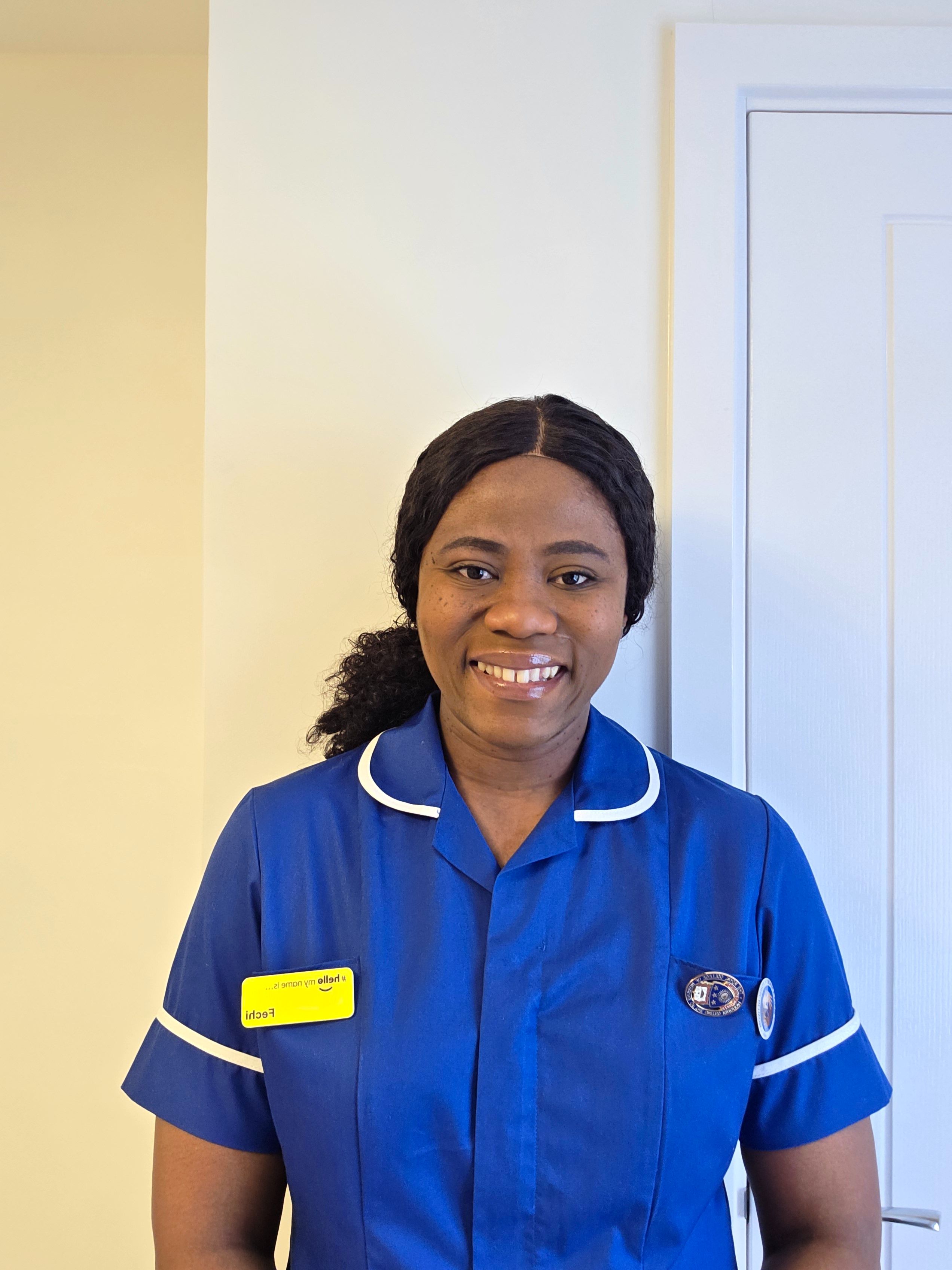
Fechukwu Emesifor qualified as a mental health nurse in January 2024 after changing direction from a career in banking, finance and management. Inspired by working in a mental health unit and seeing the impact of compassionate care first-hand, Fechukwu trained at Sheffield Hallam University and is now helping people through some of their most difficult moments.
Fechukwu reflects on their route into nursing, the rewards and challenges of the role, and why raising awareness and encouraging people to seek support is so important.
How long have you been a nurse?
I qualified as a nurse in January 2024, so I’m still quite early in my journey, but it’s already been a very meaningful experience.
What inspired you to become a nurse?
My inspiration came from a genuine passion for caring for people and wanting to make a difference in people’s lives, especially those going through difficult times.
Did you ever consider a different career? If so, why nursing?
Yes, I started out in a completely different field. I have a BSc in Banking and Finance and a master’s in management. Nursing wasn’t my first choice - I even remember my dad once bringing me an application form for nursing, but I didn’t pursue it then because I had a fear of blood. Looking back, it’s quite funny because I’ve now overcome that. Nursing came back into my life later, and it just felt right.
How did you get into this career?
After completing my master’s in management, I worked as a human resources assistant in a mental health unit. That experience really opened my eyes. Being around individuals with lived experiences and seeing the impact of care first-hand reignited something in me. That’s when I decided to pursue mental health nursing, and I trained at Sheffield Hallam University as an international student.
Can you tell us a bit about the training you undertook for your role?
I completed an MSc in Mental Health Nursing, which was both academically and emotionally demanding but very rewarding. It gave me the clinical knowledge, practical skills, and confidence to support people effectively. My previous academic background also helped me bring a broader perspective into my training.
What’s been the highlight of your career so far?
One of the highlights has been seeing the positive impact of care on patients - especially in mental health, where progress can sometimes be gradual but very powerful. Even small improvements in someone’s wellbeing feel like big wins.
What do you like most about being a nurse?
I love the human connection. Being able to support people during some of their most vulnerable moments and knowing that I can make a difference is very fulfilling.
What’s the most challenging part of being a nurse?
The role can be emotionally demanding, especially in mental health. There are times when situations are complex, and outcomes aren’t immediate. But those challenges also help you grow both professionally and personally.
What are the main skills needed to do your role?
Compassion, patience, good communication, and resilience are key. Being able to reflect on your practice is also very important, and that’s something I’m keen on. You also need to be adaptable and willing to keep learning.
Why is it so important to raise awareness around World Mental Health Day?
World Mental Health Day is important because it encourages us to pay attention to our mental health in the same way that we would our physical health. Sometimes changes in how someone is feeling or coping can happen gradually, and they may not realise how much they are struggling until things become overwhelming. Raising awareness can help people recognise those changes earlier, both in themselves and in the people around them, and encourage them to seek support before they reach crisis point.
As a mental health nurse, I know that there isn’t one approach that works for everyone. People have different circumstances, experiences and needs, so being able to access the right kind of support is important. This year’s focus on access to services is a good reminder that people need to know not only that help exists, but also where to find it and how to access it.
It’s also important that mental health support feels accessible to everyone, regardless of their background or circumstances. Sometimes taking that first step and asking for help can be the hardest part. Through talking more openly about mental health and making information about services easier to find, we can hopefully help people feel more confident about reaching out and getting support when they need it.
If someone is experiencing a mental health crisis, what should they do?
If you or someone you know is experiencing a mental health crisis, I would encourage you to reach out for help as soon as possible. When someone is in crisis it can be difficult to know what to do or where to turn, but you do not have to manage the situation by yourself.
Support is available 24 hours a day. You can visit our website to find out about the different ways to access help, including NHS 111 option 2, local Safe Havens and other crisis support services available across Derbyshire.
If you’re worried about somebody else, checking in with them, listening without judgement and helping them find the right support can also make a real difference. Sometimes simply knowing that somebody is there and willing to listen can be an important first step towards getting help.
Do you have any advice for the next generation of nurses?
Stay open-minded and be prepared to learn every day. Nursing is challenging but incredibly rewarding. Don’t be afraid of the difficult moments - they shape you into a better professional.
Finally, remember your reason for pursuing this career. For me, it’s about caring for people and making a real difference in their lives. That purpose keeps me going, even on the tough days.
