
Published on: 30 October 2026
Learning Disability Nurses Day, held on 1 November, celebrates the vital contribution learning disability nurses make to the lives of people with learning disabilities, their families and carers.
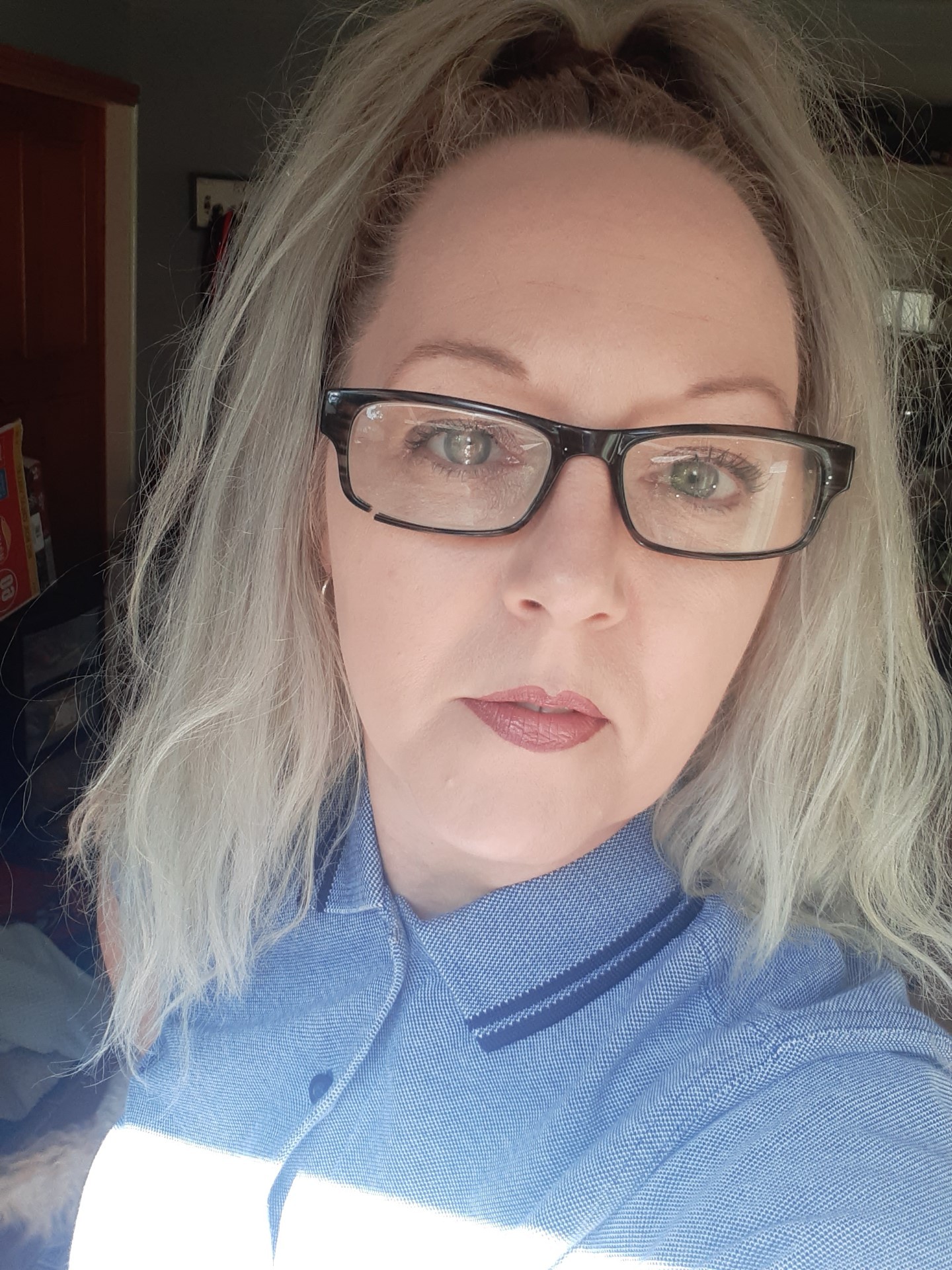
Vicki Cooke, Clinical Operational Manager in Derbyshire Healthcare NHS Foundation Trust’s Specialist Autism Team, discusses her career, what inspired her to become a learning disability nurse and why the profession matters.
How long have you been a learning disability nurse, and what inspired you to choose this area of nursing?
My journey into learning disability nursing started more than 30 years ago. From the age of three, I told my grandma that I wanted to be a nurse, but my path into learning disability nursing began after my dad had a life-changing accident. It left him with significant cognitive and learning disabilities and profound memory loss. His memory was affected to the point that he had to relearn everything. Seeing someone you care for change so dramatically had a deep impact on me. Suddenly, someone I had always known as my dad needed support in almost every area of his life, including communicating his needs and understanding the world around him. As a family, we had to learn a completely new way of being together. I witnessed the profound vulnerability that comes when someone cannot easily communicate how they feel or what they need. I also saw how misunderstanding can lead to judgement, isolation and a lack of compassion, despite the person’s genuine need for support. That experience transformed me. I think entering nursing led me towards an area where I could learn more about how brain injury, disability and trauma affect people.
Can you tell us a little about your current role and what it involves?
I currently work as a Clinical Operational Manager within the Specialist Autism Team, supporting an amazing and diverse team alongside my colleague Andy Wright. Although my current role is within an autism service, I still very much identify as a learning disability nurse. The values, skills and way of thinking that learning disability nursing gave me continue to influence how I practise and lead every day. A major part of our work is supporting autistic people who may be experiencing significant distress. We work together as a multidisciplinary team to understand their needs and identify the support we can offer. Our focus is on preventing unnecessary hospital admissions and enabling people to remain safely within their homes and communities wherever possible. Sometimes a person’s distress can be misunderstood, and assumptions can be made about what we see. Our team helps to stabilise the person and provides holistic, bespoke and targeted support as part of essential wraparound care. Communication differences, sensory needs, emotional dysregulation, changes in routine, physical health, relationships, trauma or an environment that simply does not work for that individual can all be important factors to consider. My role is about leadership, sharing knowledge and supporting the team. Learning disability nursing has reinforced my empathy, strengthened my values and given me a deep commitment to doing what is right for the people we support. My career has taught me resilience, adaptability and the importance of finding practical solutions to complex problems. These experiences have helped me to become a strong, approachable and respectful manager who supports others while maintaining clear direction and accountability.
What do you enjoy most about being a learning disability nurse?
It is difficult to single out one experience because my career has been incredibly varied and rewarding. Choosing to become a learning disability nurse was undoubtedly the right decision for me. I have genuinely loved my career and the opportunities it has given me to make a difference in people’s lives. What began as a deeply personal experience grew into a passion and ultimately became my vocation. My personal experiences have continued to shape and enrich that journey. As the mother of two autistic adult children, I have gained a unique perspective as both a professional and a parent. This has given me invaluable insight into the daily challenges, barriers, anxieties and strengths experienced by autistic people and their families. Combining professional expertise with lived experience has given me a deeper understanding, greater empathy and a stronger commitment to advocating for autistic people. It has taught me that every individual’s experience is different, and it continues to inspire me to keep learning, growing and improving my practice every day.
What has been the most rewarding or memorable moment of your career so far?
There is not one single moment. For me, it is often the small things that represent something much bigger. In my previous role as a Community Learning Disability Nurse, I supported children with learning disabilities. I saw very challenging circumstances where school and home life were close to breaking down. Through working with families, teachers and social care colleagues to put a plan together, we were able to turn situations around. Being able to help keep families together, support a child to achieve their potential and build an understanding of what that child needs gives me a great sense of achievement. When I think about my dad having to relearn who his family were, I am reminded of just how important compassionate care is. Behind every patient is a person, and behind that person there is often a family whose world has changed too. I have never forgotten that.
What difference do learning disability nurses make to patients, families and carers?
Learning disability nurses bring something incredibly special to healthcare. The people, families and professionals we support have someone who understands diversity, remains respectful and professional, and sees making adjustments as a normal part of care. We understand that equal care does not necessarily mean giving everybody exactly the same care. Sometimes you need to change how you communicate, allow more time, adapt an environment, involve the right people or approach a situation completely differently, so that the person has an equitable opportunity to access healthcare and live a fulfilling life. We advocate, we communicate, we make reasonable adjustments and, perhaps most importantly, we see the person. I also understand this from the other side. I have been the family member watching someone I love become dependent on services, and I am the parent of two autistic children. I know how much it matters when a professional genuinely listens and recognises that families and carers may know things about the person that cannot be captured in a clinical record. That partnership can make an enormous difference.
What do you wish more people understood about learning disability nursing?
When I first began training, my mum was disappointed that I was not going to be what she called a “proper nurse”. She certainly understands now how many skills are required to be a successful learning disability nurse. You have to be resilient and able to have difficult conversations. You will be presented with situations that other services do not know how to resolve, and your ability to think differently will give you exceptional problem-solving skills. Most importantly, you do not give up on finding a solution, even when others have.
What does Learning Disability Nurses’ Day mean to you, and why is it important to celebrate the profession?
I feel very proud to be a learning disability nurse. I want to share this day with my learning disability nursing colleagues and take a moment to reflect on the lives we have changed. We should feel very proud to be part of that.
What would you say to someone considering a career in learning disability nursing?
I have no regrets. This was always the field of nursing that interested me, and I have loved it. My journey continues, but my experiences have shaped the nurse I am today. Learning disability nursing is not simply what I trained to do. It has shaped how I listen, how I communicate, how I advocate, how I lead and how I see people.
