
Published on: 30 October 2026
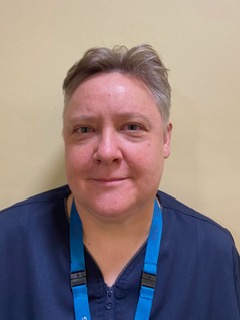
Learning Disability Nurses Day, held on 1 November, celebrates the vital contribution learning disability nurses make to the lives of people with learning disabilities, their families and carers.
Liz Fenton, Learning Disability Nurse at Derbyshire Healthcare NHS Foundation Trust, discusses her career, the difference learning disability nurses make and why the profession is so important.
How long have you been a learning disability nurse, and what inspired you to choose this area of nursing?
I have been a qualified learning disability nurse for 10 years, although I worked alongside learning disability nurses for many years before qualifying. During that time, I saw first-hand the positive impact they had on people’s lives and the difference they made in ensuring people with learning disabilities received the care, respect and opportunities they deserved.
I was inspired to become a learning disability nurse because I wanted to make a real difference. I quickly realised that people with learning disabilities often face barriers to accessing healthcare and can experience poorer health outcomes compared with the general population. I wanted to be part of changing that.
The opportunity to advocate for people, improve their health and wellbeing, and ensure their voices are heard is what drew me to this profession and continues to motivate me every day.
Can you tell us a little about your current role and what it involves?
I currently work as a Lead Nurse, supporting people with learning disabilities across a wide range of health needs. My role involves undertaking specialist assessments, supporting complex care planning, providing clinical leadership and working closely with families, carers, community teams and acute hospital services.
A key aspect of my role is ensuring people with learning disabilities have equal access to healthcare and that reasonable adjustments are in place to enable them to receive safe, effective and person-centred care.
I also support best-interest decision-making, end-of-life care planning, health education, service development and staff training. No two days are the same, which is one of the things I enjoy most about the role.
At the heart of everything I do is ensuring the person’s wishes, needs and quality of life remain central to all decision-making.
What do you enjoy most about being a learning disability nurse?
What I enjoy most is being able to advocate for people and help ensure they receive the same access to healthcare and opportunities as everyone else.
People with learning disabilities can sometimes face barriers when accessing services, communicating their needs or having their voices heard, and I am passionate about helping to overcome those barriers.
I love building relationships with individuals and their families and supporting them through some of the most challenging times in their lives. Whether that is helping someone access routine healthcare, supporting a hospital admission, facilitating best-interest decisions or ensuring someone receives compassionate end-of-life care, it is incredibly rewarding to know that you have made a positive difference.
The role allows me to combine clinical skills with compassion, advocacy and person-centred care, which is why I continue to love what I do.
What has been the most rewarding or memorable moment of your career so far?
There have been so many rewarding and memorable moments throughout my career that it is difficult to choose just one. Every time I see someone achieve something important to them, overcome barriers or receive the care they deserve, it is rewarding.
Most recently, I have been supporting and advocating for a woman with Down syndrome who has been diagnosed with breast cancer. Ensuring that her learning disability did not become a barrier to treatment, and supporting her to access the same healthcare opportunities as anyone else, has been incredibly meaningful.
Working alongside healthcare professionals, family members and carers to ensure her needs are understood and reasonable adjustments are in place has highlighted the vital role learning disability nurses play in reducing health inequalities. Seeing her receive the treatment and support she deserves has been one of the most rewarding experiences of my career.
What difference do learning disability nurses make to patients, families and carers?
Learning disability nurses make a significant difference to the lives of people with learning disabilities, their families and carers. We help individuals navigate healthcare systems, access services, understand information and have their voices heard.
We often act as advocates, ensuring people receive appropriate care and that reasonable adjustments are made to meet their individual needs. We support families through difficult decisions, provide reassurance during times of uncertainty and help coordinate care across multiple services.
Learning disability nurses also play an important role in reducing health inequalities and improving health outcomes. By working alongside individuals, families, carers and professionals, we can identify health needs earlier, promote wellbeing, prevent avoidable complications and improve quality of life.
Ultimately, we help people with learning disabilities live healthier, safer and more fulfilling lives while ensuring they are treated with dignity, respect and compassion at every stage of their healthcare journey.
What do you wish more people understood about learning disability nursing?
I wish more people understood that learning disability nursing is about far more than providing healthcare. We are advocates, educators, coordinators and champions for some of the most vulnerable people in society.
We work to ensure people with learning disabilities are listened to, respected and included, and can access the same opportunities and healthcare as everyone else.
Our role can literally save lives by addressing health inequalities and ensuring people’s needs are recognised and met.
What does Learning Disability Nurses Day mean to you, and why is it important to celebrate the profession?
Learning Disability Nurses Day is an opportunity to celebrate a unique and highly skilled profession that makes a real difference every day.
Learning disability nurses represent a small part of the nursing workforce, but our impact is significant. People with learning disabilities continue to experience health inequalities and poorer health outcomes and, in some cases, die younger because of barriers to accessing healthcare.
We have a responsibility to challenge this, advocate for those who may not be able to advocate for themselves and ensure their voices are heard.
Celebrating the profession helps raise awareness of the vital role learning disability nurses play in reducing these inequalities and improving lives.
What would you say to someone considering a career in learning disability nursing?
Go for it. It is the best career decision I have ever made, and I have never regretted it.
Learning disability nursing is challenging, rewarding and inspiring. You have the privilege of building meaningful relationships, making a genuine difference to people’s lives and being part of a profession that is passionate about inclusion, equality and advocacy.
